
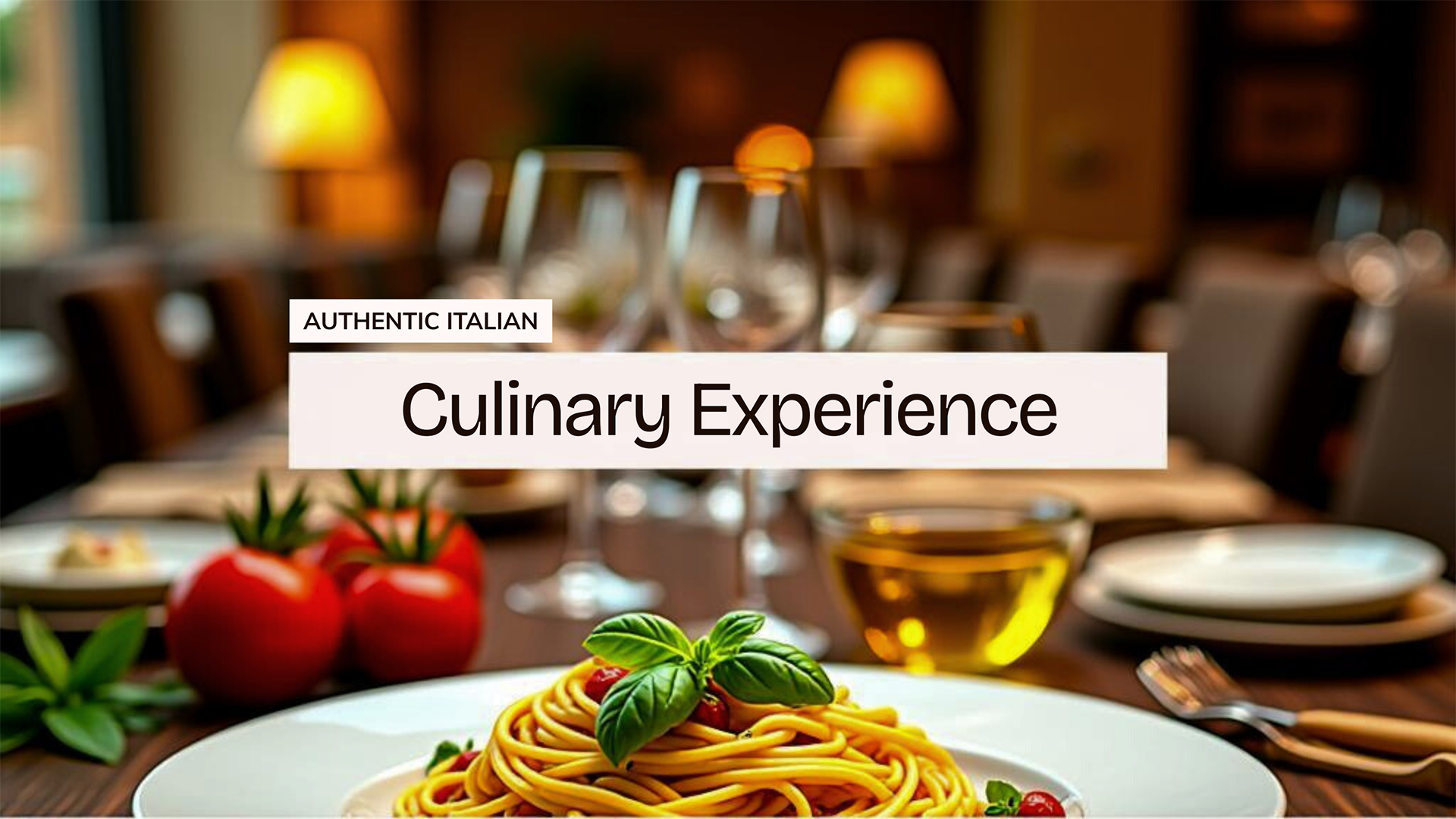
The Essence of Italian Cuisine
Italian cuisine is one of the most beloved and influential culinary traditions in the world. Known for its bold flavors, regional diversity, and deep cultural roots, Italian food is more than just pasta and pizza; it’s a way of life. It emphasizes quality ingredients, simplicity, and the joy of eating with others. What makes Italian cuisine so enduring is not only its delicious taste but also its connection to family, heritage, and seasonality. At its core, Italian cooking is about simplicity. Many classic dishes use just a few ingredients, yet they achieve deep, memorable flavors. A traditional Margherita pizza, for instance, consists of dough, tomatoes, mozzarella, basil, olive oil, and salt, with each ingredient carefully selected and treated with respect. This minimalism isn’t laziness; it’s a deliberate celebration of ingredient quality. Italian chefs and home cooks alike trust that fresh, local, and seasonal produce can speak for itself. Regional variety is another defining feature of Italian cuisine. Italy’s diverse geography, stretching from Alpine mountains to Mediterranean coastlines, has given rise to a wide range of local dishes and specialties. In the north, you’ll find creamy risottos, polenta, and butter-based sauces, while the south favors olive oil, tomatoes, garlic, and spicy peppers. Cities like Bologna are known for rich meat sauces such as ragù, and Naples is celebrated as the birthplace of pizza. Sicily introduces a blend of Arab, Greek, and Spanish influences into its sweet and savory dishes, including caponata and cannoli. Pasta is perhaps the most iconic Italian food, with hundreds of shapes and styles, each suited to specific sauces and cooking methods. From long strands like spaghetti and fettuccine to short cuts like penne and rigatoni, pasta is deeply embedded in Italian culture. What many don’t realize is how localized pasta can be; even neighboring villages might favor different types or preparation techniques. Handmade pasta is often reserved for special occasions and made with love and precision. Cheese and cured meats also play major roles in Italian cuisine. Parmigiano-Reggiano, mozzarella, gorgonzola, and ricotta offer a wide range of textures and flavors, while prosciutto, salami, and mortadella are celebrated for their craftsmanship. These ingredients are commonly used in antipasti, Italy’s version of appetizers, designed to be shared among friends and family before the main meal. Italian meals are social events. Food is not rushed; it is savored. Meals are often served in multiple courses: antipasto, primo (first course, usually pasta or soup), secondo (main course, usually meat or fish), contorno (side dish), and dolce (dessert). Coffee, especially espresso, often follows. This structure is not just about eating, it is about enjoying life. In short, Italian cuisine is timeless because it honors tradition while embracing variety. It’s about balance between richness and freshness, simplicity and complexity, individuality and community. Whether you’re eating at a trattoria in Rome or cooking spaghetti at home, Italian food invites you to slow down, eat well, and share the moment.
Leave a Comment
Your email address will not be published. Required fields are marked *